
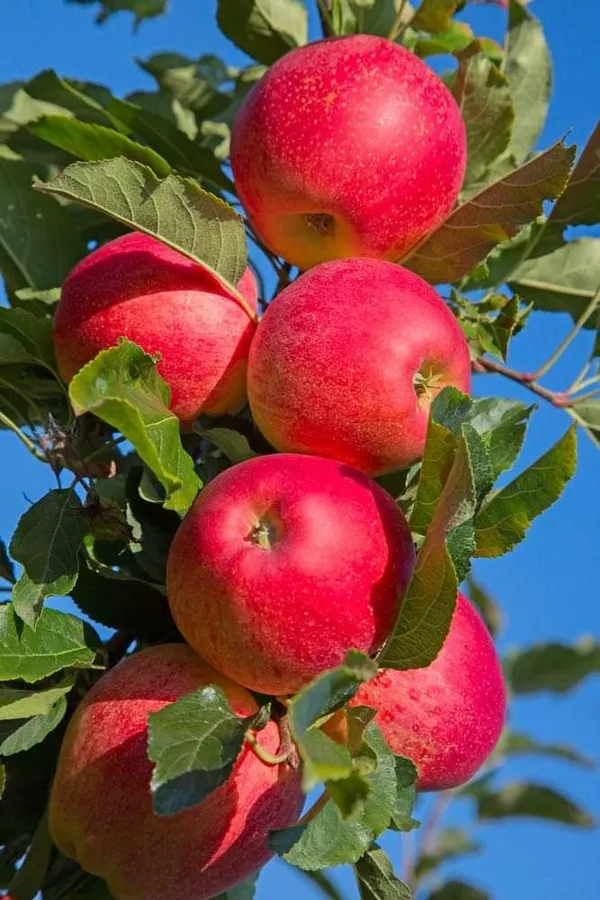

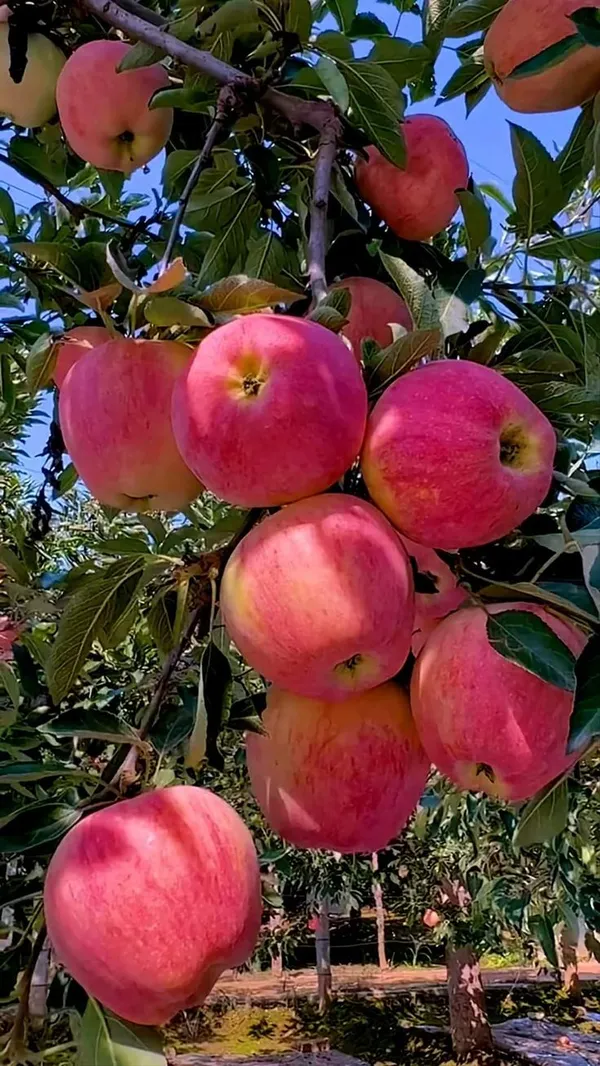
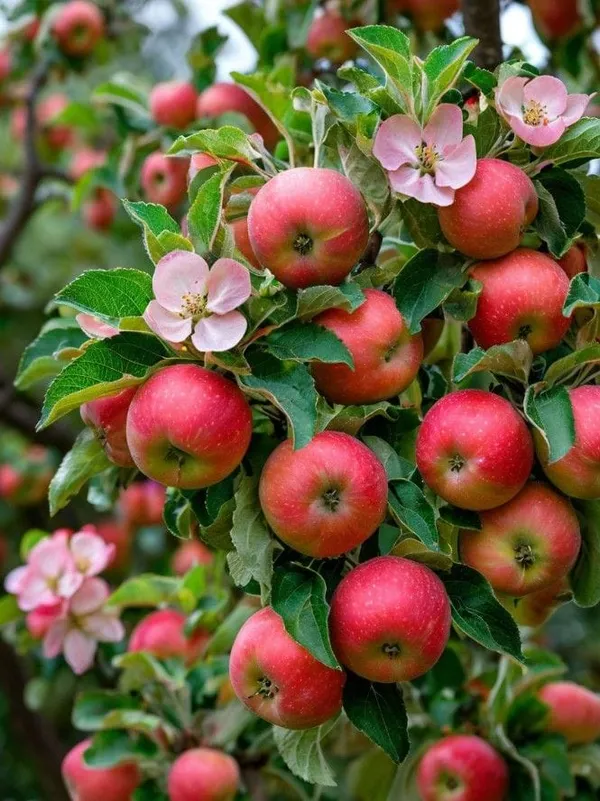
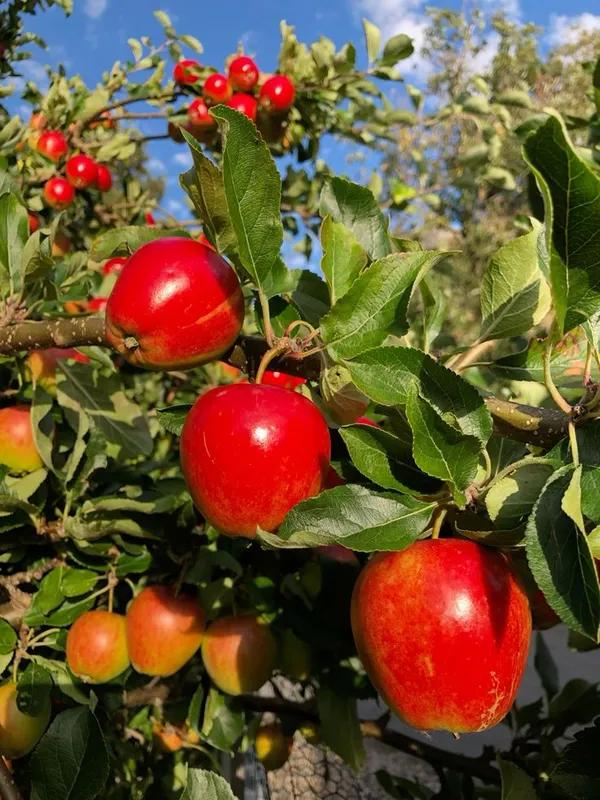
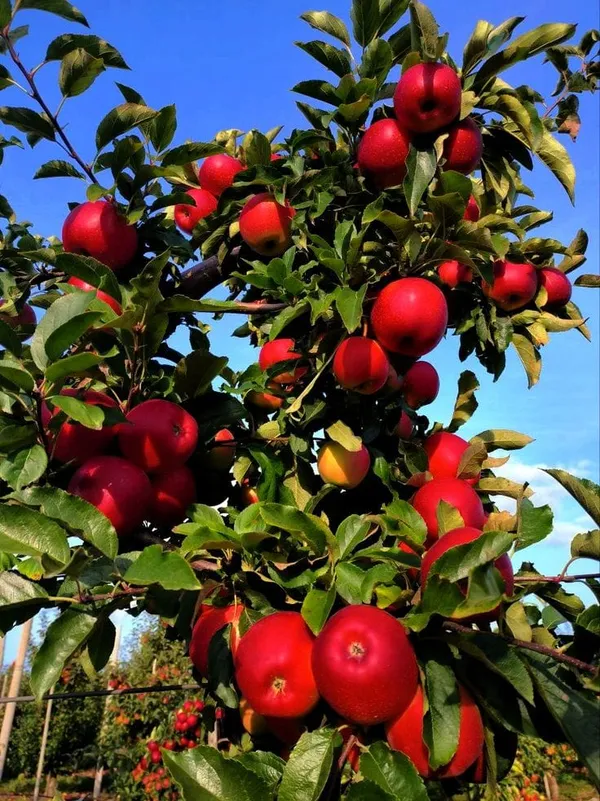
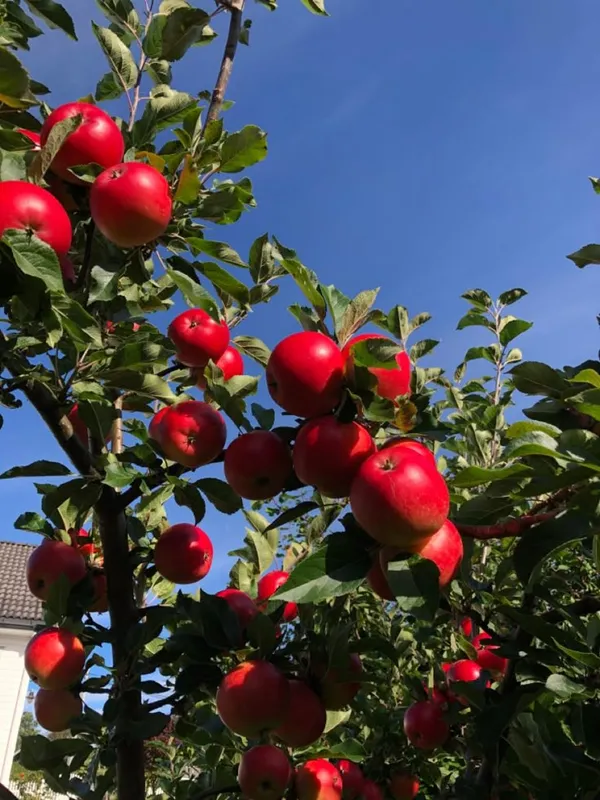

HRMN-99 Hybrid Grafting Apple Plant (Pack Of 1)
₹499
₹5,330
90% OffBiggest Sale of the Year!
0H:0M:0S
Final Price inclusive of all taxes
Cash on Delivery
Free Delivery
Get it delivered in 3-6 days
size
Free Size
Product Information
Suitability
Outdoor
Life Cycle
Annual
Product Type
Fruit
hight
2 Feet
Product Description
Malus species are native to the temperate zones of both hemispheres. The cultivated apple is thought to have been domesticated from a wild apple, M. sieversii, in the Tien Shan mountains in Central Asia some 4,000–10,000 years ago. From there it spread to western Europe along the Silk Road and hybridized with a number of wild crabapples, including M. baccata from Siberia, M. orientalis from the Caucasus, and M. sylvestris, the major secondary genetic contributor, from other parts of Europe.
Over the centuries, improved selections have been made, and distinct varieties were recognized more than 2,000 years ago. Hundreds of varieties were recognized in Europe before the settlement of the Americas. As the wave of colonial settlement moved across North America, it was accompanied by the distribution of seedling apple varieties, first by Native Americans and trappers and later by settlers and itinerants who became local legendary figures, the most prominent being Johnny Appleseed (John Chapman), a professional nurseryman who planted apple trees extensively in Ohio and Indiana.
Over the centuries, improved selections have been made, and distinct varieties were recognized more than 2,000 years ago. Hundreds of varieties were recognized in Europe before the settlement of the Americas. As the wave of colonial settlement moved across North America, it was accompanied by the distribution of seedling apple varieties, first by Native Americans and trappers and later by settlers and itinerants who became local legendary figures, the most prominent being Johnny Appleseed (John Chapman), a professional nurseryman who planted apple trees extensively in Ohio and Indiana.